
Why Successful Training Programs Go Beyond the Basics
A great safety record starts long before anyone touches a live wire. Behind every well-protected team is a training program built not just to inform, but to change habits and shape behavior. Electric safety training done right doesn’t feel like a routine session, it feels like a mission. One where the goal is to create confident, capable employees who know what to do, how to do it, and most importantly, why it matters. Structured programs that emphasize preparation, repetition, and evaluation offer more than just compliance, they offer peace of mind for everyone involved.
It all begins with intent. Outlining clear training objectives isn’t just a formality, it’s what shapes the course and ensures every lesson connects with what workers face daily. From Lockout/Tagout protocols to PPE application, each piece of the program plays a part in reducing risk. But it’s not just what’s taught, it’s how it’s taught. A safe, focused environment helps participants absorb and apply lessons faster. Trainers who know how to communicate effectively, demonstrate procedures, and create room for questions bring the material to life in a way that lasts.
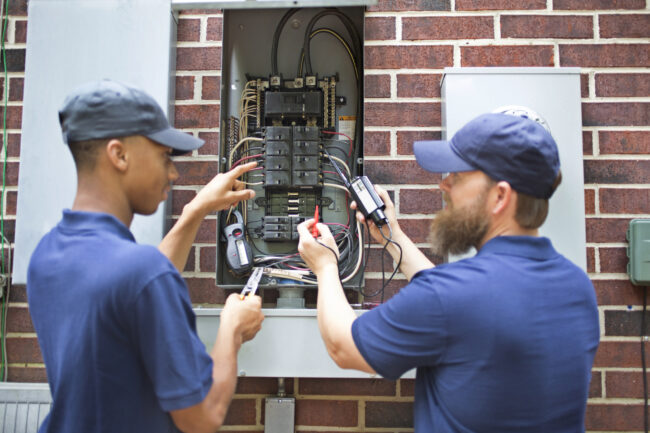
Once the content is rolling, timing becomes critical. Electric safety training should feel purposeful and organized, never rushed or uncoordinated. Whether it’s a one-time session or a recurring series, having a consistent delivery schedule keeps safety at the forefront. When employees know training isn’t just a reactive step after an incident but part of the daily rhythm, the mindset starts to shift. Safety stops being just another checklist item and becomes a shared value. A program that runs smoothly sets the tone for how seriously a company takes protection, and that message echoes through every level.
Monitoring progress is another step that separates average training from truly impactful learning. Assessment doesn’t need to be intimidating. Sometimes it’s a quiz, other times it’s observation or group discussion. The goal is to make sure people walk away with more than just a certificate, they should carry a deeper understanding of electrical hazards and how to navigate them safely. Feedback plays a key role here. Constructive guidance helps participants improve, while also offering trainers valuable insight into how effective the sessions really are. That loop of teaching, observing, and refining leads to steady growth across the board.
For companies aiming to level up their training efforts, innovative solutions can make a huge difference. Digital tools, mobile learning apps, and real-time dashboards bring fresh energy into electric safety training. And when training methods evolve alongside technology, engagement improves and results follow. This kind of investment sends a clear message: safety is more than policy, it’s a priority. And when the right structure, timing, and tools come together, training becomes something far more powerful than a procedure. It becomes a company’s promise to protect its people and perform at the highest standard.
…