
Benefits of Pursuing a Career in Phlebotomy
If you’re interested in a career in healthcare, becoming a certified phlebotomist can be a great first step. As a phlebotomist, you will be responsible for drawing blood from patients for diagnostic testing, transfusions, and other medical procedures. To become certified, you’ll typically need to complete a phlebotomy training program, which can range from a few weeks to a year depending on the program. During this time, you’ll learn about anatomy and physiology, proper blood drawing techniques, and infection control. After completing your training, you’ll need to pass a certification exam, which will demonstrate your proficiency in these areas. Obtaining certification can help you stand out to potential employers and advance your career in healthcare. American Harbor College phlebotomy training will give you the necessary certificate!
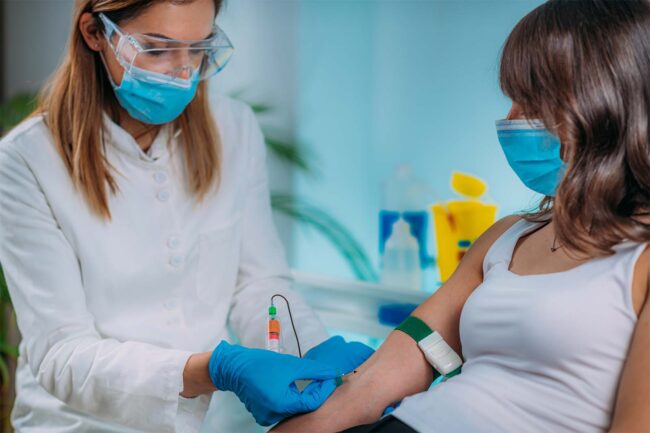
A career in phlebotomy can be extremely rewarding both personally and professionally. Phlebotomists are highly skilled medical professionals who are responsible for drawing blood from patients for laboratory testing. Pursuing a career in phlebotomy can open up a wide range of job opportunities in the healthcare industry. With the growing demand for healthcare services, there is a constant need for qualified technologists, including phlebotomists. If you are someone who enjoys a fast-paced work environment and working with people, then a career in phlebotomy might be perfect for you. Not only will it give you a sense of purpose, but it will also allow you to make a positive impact on people’s lives. Additionally, phlebotomists can enjoy a good work-life balance, job stability, and potential for career growth. Start your journey today and become a part of this exciting and rewarding field.
Certified phlebotomists have a variety of job options available to them. They are highly trained professionals who specialize in drawing blood from patients and ensuring that the samples are properly collected and labeled. Some of the most common positions for phlebotomists include working in hospitals, clinics, blood donation centers, and diagnostic laboratories. In addition to these standard workplaces, phlebotomists can also work in research facilities, public health agencies, and even in specialized roles such as mobile phlebotomy, where they travel to patients directly. Whatever the setting, certified phlebotomists play a critical role in the medical field, helping to diagnose illnesses and provide critical healthcare services to patients.